The Craft Before the Code
· 4 min read
Before I was an engineer I was a lash technician for five years and a tattoo artist for two.
People usually hear that and file it under "interesting detour." I have never thought of it that way. Both were craft jobs, and craft turns out to be portable.
It was more technical than it sounds
A lash set is not a beauty treatment you paint on. Each extension is isolated onto one single natural lash and applied individually, working millimetres from someone's eye. A full set is eighty to a hundred and twenty of those, per eye, and they all have to sit the same way.
Before any of that you map the set. Eye shape, natural lash strength, what the client actually wants — the map is different every time, and the map is what decides whether the result looks like their face or someone else's.
Tattooing was the same discipline with a different material. I founded my own studio, INK99DE, in Oberhausen and specialised in delicate fineline work. Fineline is unforgiving on purpose: a single line, one pass, no texture to hide behind.
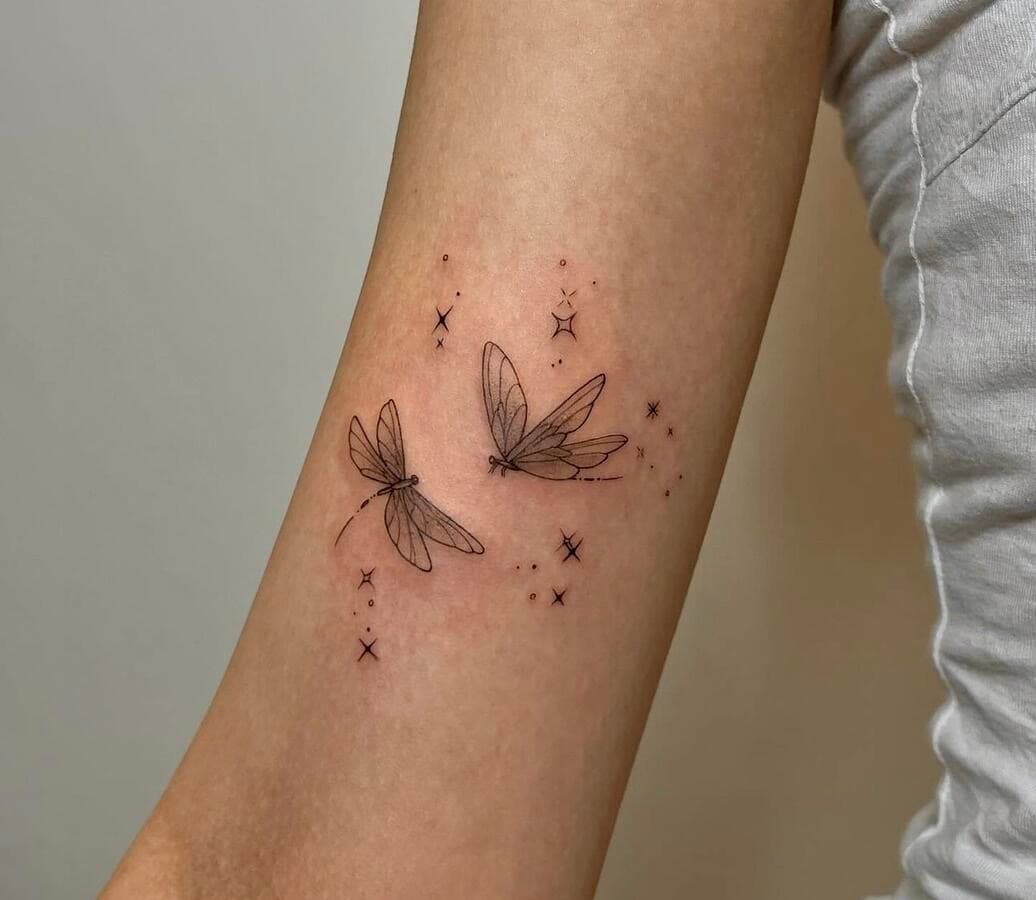
There is no undo
This is the part that changed how I work now.
Both jobs shipped straight to production. There is no staging environment on someone's face. No revert, no "we'll fix it in the next release." You get the state right before you commit, or you live with it — and so does someone else, for years.
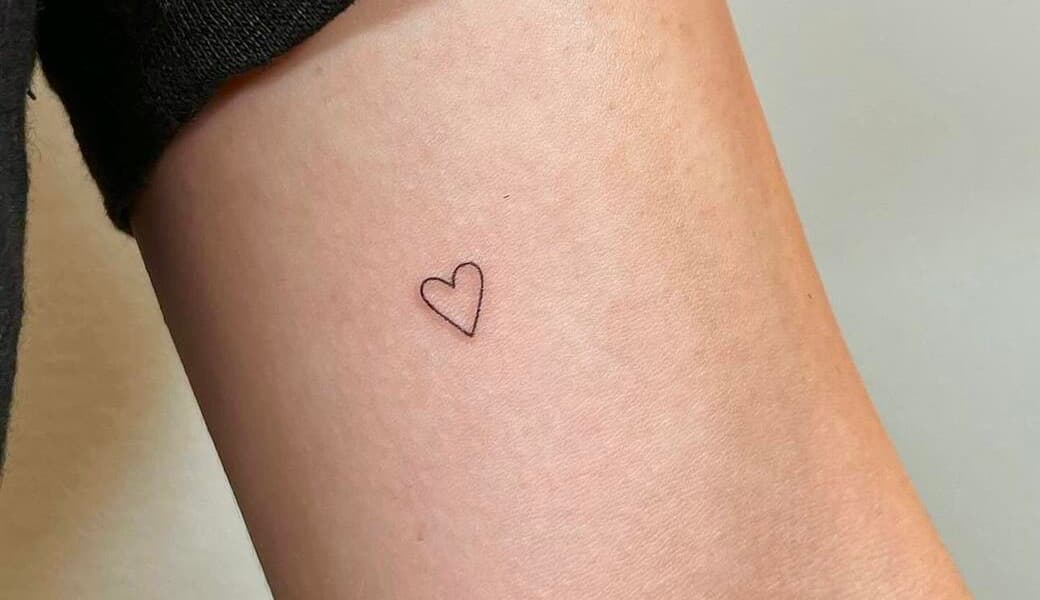
That does something permanent to how you think about risk. I still design for the undo now precisely because I spent five years without one. When I add a way back into an interface, it is not a nice-to-have I read about. It is the affordance I most wanted and never had.
Every client was a different problem
There was no copy-paste solution. Ever.
A template got you eighty percent of the way there, and the last twenty percent was the entire job. Same mapping, different eye shape, completely different result. Same reference photo, different skin, different placement, different line weight.
I think this is why I distrust interfaces that feel like they were assembled from defaults. The defaults are fine. They are just not the work.
The consultation was half the work
Clients almost never arrived able to describe what they wanted. They arrived with a screenshot, or a vague word like "natural," or someone else's face.
The job was to sit with that, ask better questions, and turn it into something specific enough to execute — while being honest about what would not suit them, which is the uncomfortable half.
I do that every week now. A design brief is a client consultation. Stakeholder feedback is a client saying "I love it, but can it be a bit more—" and trailing off. Learning to translate that at seventeen, with permanent consequences attached, was better training than any process doc.
Then it stopped
COVID closed both of them.
Lashes and tattoos are contact work, and contact work was the first thing to go. The studio shut in 2021.
That is the point where I started teaching myself to code, which is its own story.
What actually carried over
Not the technical skills, obviously. Nobody has ever asked me to isolate a lash in a code review.
What carried over was smaller and more useful:
- Precision as a habit, not an effort. Pixel-perfect is not a phrase I had to learn to care about.
- Hygiene, which in software looks like conventions you follow even when nobody is watching.
- Reading a person, not just a brief.
- Taking feedback without flinching, because a client's face is a very direct code review.
- Finishing. In a studio there is no shipping at eighty percent — the client is sitting in front of you, and the work is either done or it is not.
People call it a career change. It has always felt more like the same job with different materials.